The Prepared Blog
Blog Categories
- Alternative Communications
- Alternative Power
- Child Safety
- Cyber Security
- Emergency Preparedness
- Family Safety
- Firearms
- Fitness
- Go Bag / Bug Out Bag
- Home Security/Home Safety Plan
- Medical - Trauma/First Aid
- Mobile Command Center
- Nutrition
- Recovery/Sleep
- Self Care
- Self Defense
- Situational Awareness
- Sleep
- Toxic Chemicals
- Water
- Weather Alerts

Fitness - Lesson 1 - Introduction
While the concept of "being fit" is not widely recognized in preparedness or emergency planning, a comprehensive preparedness plan must unquestionably include aspects of health and fitness.

Fitness - Lesson 2 - Programming Variables
Strength training offers numerous benefits that significantly enhance both physical and mental health. It increases muscle strength and bone density, reducing the risk of osteoporosis and injury, while also boosting metabolism to help maintain a healthy weight.

PNP NUTRITION BASICS: Introduction to Nutrition Basics
Understanding the fundamentals of nutrition is crucial for maintaining optimal health and well-being. Simple nutrition involves balancing…

PNP NUTRITION BASICS: Lesson 1 - Macronutrients and Micronutrients
Understanding the fundamentals of nutrition is crucial for maintaining optimal health and well-being. Simple nutrition involves balancing…

PNP NUTRITION BASICS: Lesson 2 - Macronutrient Protein
When it comes to overall health, it is important to get adequate amounts of protein throughout the day. Protein is a component of food made up of amino acids…
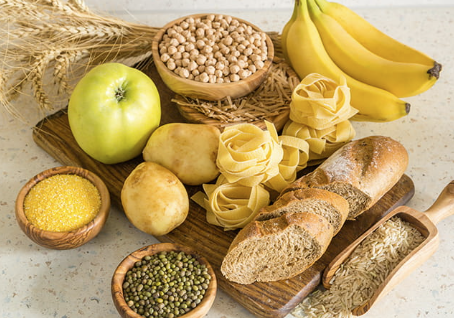
PNP NUTRITION BASICS: Lesson 3 - Macronutrient: Carbohydrates
Carbohydrates are organic compounds composed of sugars, starches, and fiber. Plants produce carbohydrates through photosynthesis, storing…

PNP NUTRITION BASICS: Lesson 4 - Macronutrient: Fats and Oils
Walk down the supermarket aisles of any grocery store and you’ll see packages feeding America’s fear of fats with the "NO FAT/LOW FAT" claims. However…

PNP NUTRITION BASICS: Lesson 5 - Trans Fats
Trans fats are fats produced by the hydrogenation or partial hydrogenation of liquid vegetable oils, which chemically alters them to become solid…

PNP NUTRITION BASICS: Lesson 6 - Phytonutrients: What They Are and Why We Need Them
Phytonutrients, also known as phytochemicals, are naturally occurring compounds found in plants. Unlike vitamins and minerals

Fitness - Lesson 3 - Exercise Pairing and Exercise Selection
In the previous section, we explored key Strength Training Session Variables. In this section, we’ll cover a variety of exercises, the movement patterns…

PNP NUTRITION BASICS: Lesson 7 - High Fructose Corn Syrup: Why It Matters
When reading food labels, it's crucial to look beyond calories and macronutrients (protein, carbohydrates, and fats) and examine the ingredients list…

PNP NUTRITION BASICS: Lesson 8 - Food Labels Deciphered
Whether it’s on a carton of eggs at the grocery store or listed on the menu at your favorite restaurant, terms like “free-range,” “grass-fed,” “natural,” and “organic”…

PNP NUTRITION BASICS: Lesson 9 - Alcohol, Body Composition & Preparedness
If you’re not burning fat, you’re storing it. It’s that simple. Successful weight management usually comes down to burning more calories than you consume…

PNP NUTRITION BASICS: Lesson 10 - Food Storage Strategies
When it comes to emergency food storage, it's not just about having enough to eat but also about ensuring that the food you store is nutritious and…