
Prepared University
Blog Categories

Less Than Lethal Self Defense Options: Lesson 2 - Pepper Spray and OC (Oleoresin Capsicum) Spray
Though often used interchangeably, “pepper spray” and “OC spray” have subtle differences in formulation and application…

TOXIC CHEMICALS TO AVOID: Introduction
Do you know what you are eating? There have been significant advances in food preparation over the last century. Today, more than half…

Less Than Lethal Self Defense Options: Lesson 3 - Pepper Spray vs Pepper Gel
Traditional pepper spray disperses in a mist or stream, which can spread over a wider area. It typically has…

PNP NUTRITION BASICS: Lesson 2 - Macronutrient Protein
When it comes to overall health, it is important to get adequate amounts of protein throughout the day. Protein is a component of food made up of amino acids…
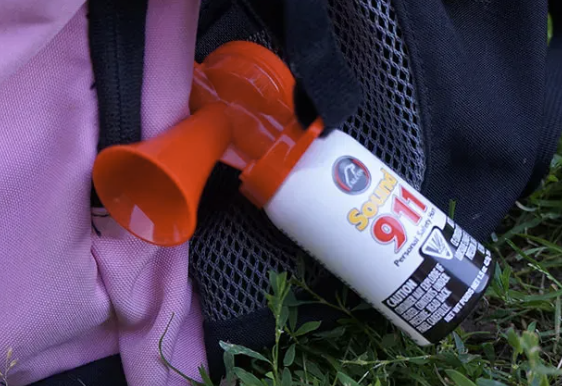
Less Than Lethal Self Defense Options: Lesson 4 - Personal Alarms and Air Horns
One of the most overlooked tools in the self-defense toolbox is noise. Most criminals want an easy win, they don’t want to get caught…
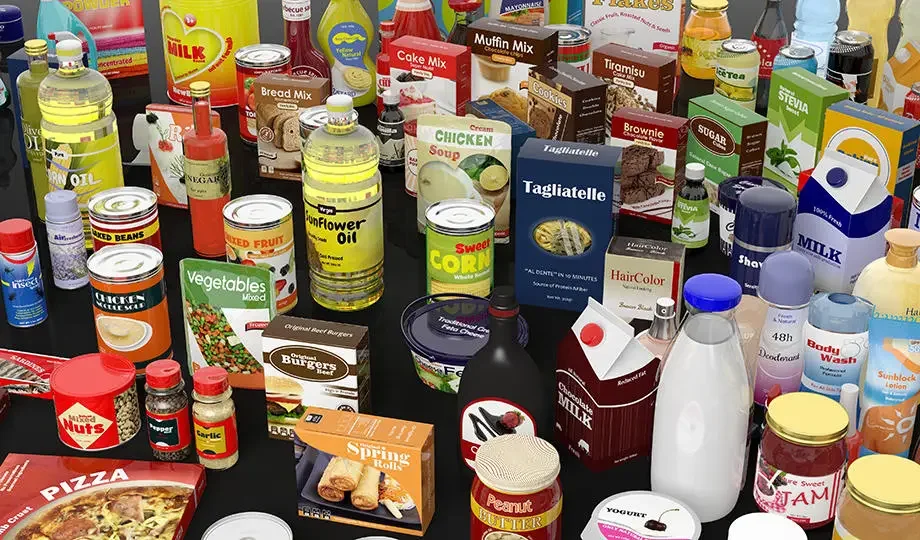
TOXIC CHEMICALS TO AVOID: Lesson 1 - The Importance of Reading Food Labels and Identifying Toxic Chemicals
Understanding what you eat begins with reading food labels. These labels provide essential information about the nutritional content and…

Less Than Lethal Self Defense Options: Lesson 5 - Stun Guns
A stun gun is a handheld, non-lethal self-defense tool designed to incapacitate an attacker by delivering a high-voltage, low-amperage electrical charge…
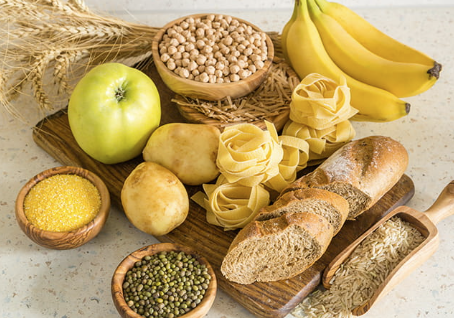
PNP NUTRITION BASICS: Lesson 3 - Macronutrient: Carbohydrates
Carbohydrates are organic compounds composed of sugars, starches, and fiber. Plants produce carbohydrates through photosynthesis, storing…

PNP NUTRITION BASICS: Lesson 4 - Macronutrient: Fats and Oils
Walk down the supermarket aisles of any grocery store and you’ll see packages feeding America’s fear of fats with the "NO FAT/LOW FAT" claims. However…

Less Than Lethal Self Defense Options: Lesson 6 - Less than Lethal Gun / Byrna - Saber
A less-than-lethal gun is a self-defense tool designed to temporarily incapacitate or deter an aggressor without causing…

PNP NUTRITION BASICS: Lesson 5 - Trans Fats
Trans fats are fats produced by the hydrogenation or partial hydrogenation of liquid vegetable oils, which chemically alters them to become solid…

TOXIC CHEMICALS TO AVOID: Lesson 2 - Artificial Sweeteners and Additives to Avoid
Artificial sweeteners are regulated by the FDA as food additives. However, this regulation does not apply to substances that are classified as…

PNP NUTRITION BASICS: Lesson 6 - Phytonutrients: What They Are and Why We Need Them
Phytonutrients, also known as phytochemicals, are naturally occurring compounds found in plants. Unlike vitamins and minerals

Fitness - Lesson 3 - Exercise Pairing and Exercise Selection
In the previous section, we explored key Strength Training Session Variables. In this section, we’ll cover a variety of exercises, the movement patterns…

PNP NUTRITION BASICS: Lesson 7 - High Fructose Corn Syrup: Why It Matters
When reading food labels, it's crucial to look beyond calories and macronutrients (protein, carbohydrates, and fats) and examine the ingredients list…

TOXIC CHEMICALS TO AVOID: Lesson 3 - Harmful Chemicals and Additives in Personal Care Products
Many personal care products, including skin care items, hair care products, and cosmetics, contain chemicals that have raised health concerns.

The Power of Sleep - Lesson 6 - Traditional Chinese Medicine and the Waking Cycle
Traditional Chinese Medicine (TCM) offers a unique perspective on sleep disruptions through the concept of the body clock, also known as…

PNP NUTRITION BASICS: Lesson 8 - Food Labels Deciphered
Whether it’s on a carton of eggs at the grocery store or listed on the menu at your favorite restaurant, terms like “free-range,” “grass-fed,” “natural,” and “organic”…
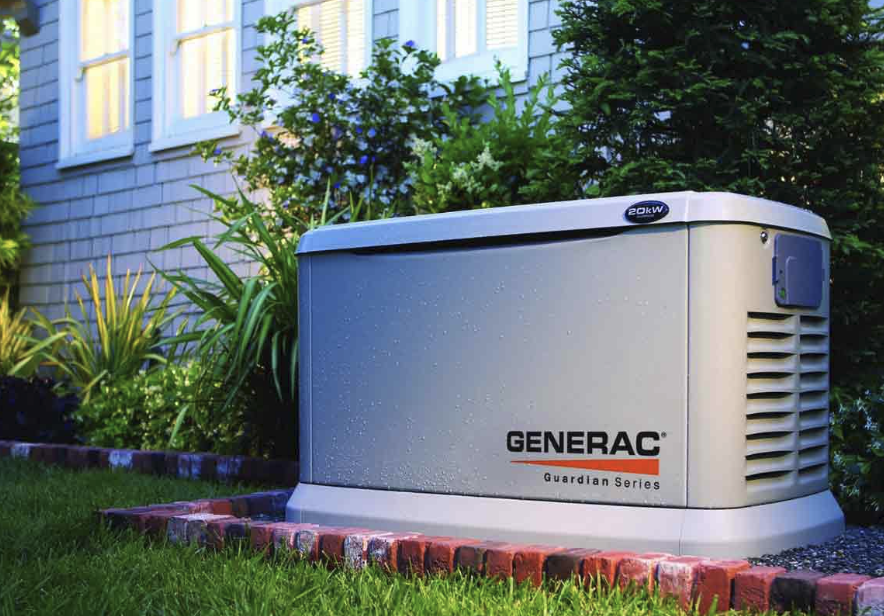
Alternative Power Sources - Lesson 6 - Other Options for Home Backup Power
Another option for home backup power would be fuel powered generators. These can operate on natural gas, propane, and diesel fuel. Here’s a brief overview…

PNP NUTRITION BASICS: Lesson 9 - Alcohol, Body Composition & Preparedness
If you’re not burning fat, you’re storing it. It’s that simple. Successful weight management usually comes down to burning more calories than you consume…